
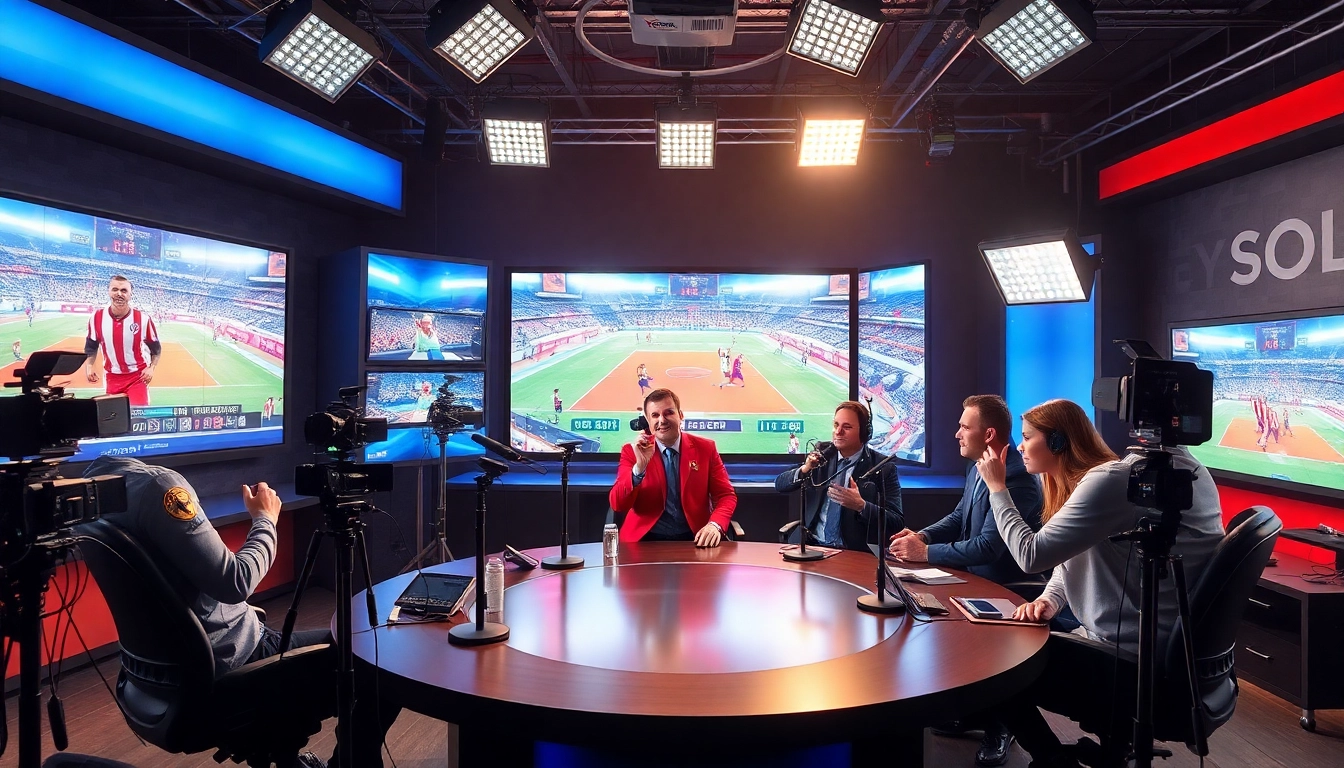
Understanding the Basics of Sports Broadcasting
Introduction to Sports Broadcasting Concepts
Sports broadcasting is a vital component of the global sports landscape, allowing audiences to experience thrilling events in real time. It encompasses a wide range of activities, including the live transmission of games, expert commentary, and in-depth analysis that enhances viewers' understanding and enjoyment of sports. Whether it is on traditional television or through digital platforms, the essence of Sports Broadcasting lies in its ability to bring excitement and information to fans.
Key Roles in Sports Broadcasting
Numerous professionals contribute to the sports broadcasting ecosystem, each playing an essential part in delivering compelling content:
- Producers: They oversee the entire broadcast, coordinating everything from timing to content delivery.
- Commentators: These are the voices heard by viewers, providing live commentary, analysis, and insights on events.
- Camera Operators: Behind the scenes, these professionals capture the action from various angles to bring the event to life.
- Graphics and Technical Teams: They ensure that all onscreen graphics, statistics, and replays are timely and technically flawless.
How Sports Broadcasting Networks Operate
Sports broadcasting networks typically rely on a multi-tiered production process. This begins with the initial acquisition of broadcasting rights from sports leagues or teams. Once rights are secured, detailed planning occurs, including setting up production teams, equipment logistics, and a broadcast schedule. Networks often utilize advanced technology to enhance viewer experience, tailoring broadcasts to different platforms to reach a broad audience effectively. This ecosystem requires not only a commitment to high-quality content but also an understanding of audience preferences.
The Evolution of Sports Broadcasting Technology
From Traditional TV to Streaming Services
The landscape of sports broadcasting has transformed dramatically over the years. Traditionally, audiences relied on terrestrial and cable television to watch their favorite sports events. However, the advent of digital technology has shifted viewership, as streaming services now provide flexible, on-demand options, enabling fans to watch games anytime, anywhere. This transition has led to a massive shift in advertising, sponsorship modeling, and viewer engagement strategies.
Impact of Social Media on Sports Broadcasting
Social media platforms have revolutionized how sports content is shared and consumed. Fans can now follow live updates, behind-the-scenes content, and player interactions on platforms like Twitter, Instagram, and TikTok. This has established a two-way communication channel, allowing broadcasters to engage with audiences in real-time. Social media also plays a critical role in vital marketing, as trending topics can drive viewership and foster a community of fans around sports events.
Emerging Technologies Influencing the Future
The future of sports broadcasting will likely be shaped by numerous technological advancements, including:
- Virtual Reality (VR): With VR, fans may soon experience live games as if they were present at the stadium from the comfort of their homes.
- Augmented Reality (AR): AR technologies can provide interactive statistics and player information overlaid during real-time broadcasts.
- Artificial Intelligence (AI): AI can help provide personalized viewing recommendations and automated highlights during and after games.
Crafting Engaging Content in Sports Broadcasting
Storytelling Techniques for Sports Broadcasts
Effective sports broadcasting goes beyond just reporting scores; it tells stories that resonate with viewers. Broadcasters can use various storytelling techniques, such as developing narratives around players' journeys, creating dramatic contexts for rivalries, or highlighting community engagement by teams. Such storytelling humanizes the game and deepens viewer engagement, making sporting events memorable.
Audience Interaction and Engagement Strategies
Engagement is key to maintaining a loyal audience. Broadcasters can utilize polls, live Q&A sessions, and social media interactions to involve viewers in the broadcast experience. Creating a sense of community around broadcasts through fan stories or dedicated segments can enhance emotional investment in the events being televised.
Use of Graphics and Visuals in Broadcasts
Visuals play a critical role in enhancing sports broadcasts. On-screen graphics, slow-motion replays, and infographics can help viewers easily digest complex statistics or player performances. The use of advanced graphics technology in replays and live action analysis substantially enriches the viewing experience, keeping fans captivated throughout the broadcast.
Challenges in the Sports Broadcasting Industry
Navigating Licensing and Rights Issues
One of the most significant challenges in sports broadcasting is navigating licensing agreements. Securing the necessary rights to air events can be fiercely competitive and expensive. Broadcasters must ensure compliance with various regulations and constantly renegotiate contracts as sports organizations evolve in response to market demands. Understanding legal intricacies is crucial for a successful broadcast operation.
Dealing with Viewer Expectations
As viewership increases, so do viewer expectations regarding quality and content. Contemporary audiences demand high-definition broadcasts, seamless streaming, and dynamic, interactive content. Meeting these expectations requires constant innovation, audience feedback analysis, and readiness to adapt quickly to technological changes in the digital landscape.
Managing Broadcast Errors and Crises
Broadcast errors, whether technical glitches or unexpected events during live coverage, pose significant challenges. Having contingency plans ready can mitigate these crises, ensuring that teams can quickly respond to setbacks. Training experienced professionals and employing reliable technology are essential steps to minimize disruptions during broadcasts.
Measuring Success in Sports Broadcasting
Key Performance Indicators for Broadcasters
Measuring success in sports broadcasting relies on several Key Performance Indicators (KPIs). Metrics such as viewer numbers, engagement rates, and social media mentions provide insight into how well a broadcast resonates with audiences. Additionally, analyzing ad revenue versus production costs can reveal the overall profitability of sports broadcasting initiatives.
Analyzing Viewer Ratings and Feedback
Viewer ratings provide broadcasters with quantitative data regarding audience preferences. Surveys and social media monitoring can reveal more qualitative insights, highlighting areas for improvement and audience desires. Adjusting content based on this feedback is crucial for remaining relevant and competitive in a constantly evolving industry.
Adapting Strategies Based on Metrics
Success in sports broadcasting hinges on the ability to adapt strategies based on performance metrics. By continually assessing viewership data and audience interactions, broadcasters can tailor content, enhance marketing tactics, and innovate broadcast experiences that meet evolving viewer demands. This adaptability is the hallmark of successful sports broadcasting operations.
Frequently Asked Questions
What makes sports broadcasting unique?
Sports broadcasting is unique due to its live nature, real-time analysis, and dynamic storytelling, capturing the excitement and unpredictability of athletic competition.
How has technology influenced sports broadcasting?
Technology has significantly impacted sports broadcasting through HD broadcasting, streaming services, and interactive platforms that enhance the viewer experience.
What are common challenges faced in sports broadcasting?
Challenges include securing rights for live events, managing viewer expectations, and maintaining high-quality transmissions during critical moments in games.
How do broadcasters engage with their audience?
Engagement strategies include interactive content, live social media commentary, auctions, and viewing options tailored to fan preferences, fostering community around events.
Why is storytelling important in sports broadcasting?
Storytelling is vital as it adds depth to events, contextualizes experiences for viewers, and enhances emotional engagement, creating authentic connections to broadcasts.